
Oat Flour English Muffins (No Yeast, Gluten-Free)

|
These oat flour English muffins are cooked on the stovetop for real structure—not microwaved. Made with Greek yogurt and no yeast, they toast beautifully, have a light tang, and work perfectly for breakfast sandwiches or meal prep.

These oat flour English muffins are a stovetop recipe, not a microwave mug version. Cooking them in a covered skillet creates real structure and a lightly crisp exterior once toasted—much closer to a classic English muffin than the spongy shortcuts you’ll see everywhere else.
They’re made with simple ingredients like Greek yogurt, oat flour, baking powder, and apple cider vinegar, with no yeast or rising time required. The yogurt adds moisture and a subtle tang, while the vinegar activates the leavening to help the muffins lift without tasting eggy or dense.
I tested these multiple ways—different heat levels, more egg, oven-only methods—and kept coming back to this approach. They’re not identical to a long-fermented English muffin, but they split cleanly, toast beautifully, and hold up for breakfast sandwiches. And because they’re quick to make, I actually make them often, which matters just as much as getting the texture right.
Why This Oat Flour English Muffin Recipe Works
- Stovetop cooking creates real structure: Cooking in a covered skillet traps steam while the pan sets the outside, giving these muffins a firm, bread-like texture instead of a spongy center.
- Greek yogurt replaces yeast fermentation: The acidity from Greek yogurt and apple cider vinegar adds a light tang and activates the leavening without any rising time.
- Lower egg ratio avoids “omelet bread”: Using less egg keeps the flavor neutral and prevents the muffins from tasting like a breakfast bun.
- Designed to be split and toasted: These set as they cool and toast cleanly, with crisp edges and a sturdy interior for sandwiches or spreads.
Why Stovetop English Muffins Are Better Than Microwave Versions
Most oat flour English muffin recipes rely on the microwave because it’s fast—but speed comes at the cost of texture. Microwave muffins cook from the inside out, which often leaves them damp, spongy, and overly soft unless heavily toasted.
Cooking these on the stovetop changes that. The direct heat from the pan sets the outside while the covered skillet traps steam, allowing the inside to cook through gradually. The result is a muffin that holds its shape, splits cleanly, and actually behaves like bread once toasted—not a round pancake pretending to be an English muffin.
This method takes a few extra minutes, but it’s the reason these work so well for breakfast sandwiches and meal prep.

Ingredients & Substitutions
Here’s what I use and why it matters for the texture and flavor of these English muffins.
- Greek Yogurt (thick): This provides structure and acidity. I tested this with regular yogurt, and the dough spread too much and cooked unevenly. If using dairy-free yogurt, it needs to be very thick and Greek-style.
- Oat Flour: Oat flour absorbs moisture slowly, which is why these muffins firm up as they cool. You can use store-bought oat flour or grind your own from rolled oats.
- Flour Alternatives: This recipe is flexible, but the leavening needs to adjust based on the flour used.
| FLOUR | MEASUREMENTS | BAKING SODA AMOUNT |
|---|---|---|
| Oat Flour | 1 cup (129g) | 1/2 teaspoon |
| Almond Flour | 1 cup (112g) almond flour + 1/4 cup (34g) tapioca flour | 1/2 teaspoon |
| Gluten-Free Flour (without xanthan gum) | 3/4 cup (128g) | reduce to 1/4 teaspoon |
| All-Purpose Flour | 3/4 cup (104g) | reduce to 1/4 teaspoon |
- Apple Cider Vinegar: This activates the baking soda and adds a light tang. White vinegar or lemon juice works the same way.
- Maple Syrup (optional): Adds a touch of sweetness without making these taste like a sweet bread. Honey or agave work well, or you can skip it entirely.
- Baking Powder: Provides lift and structure. I don’t recommend substituting this.
- Baking Soda: Works with the yogurt and vinegar to help the muffins rise. If needed, you can omit it and double the baking powder, but the texture will be slightly softer.
- Salt: Enhances flavor and balances the acidity.
- Cornmeal: Pressing the dough into cornmeal before cooking gives the outside a classic English muffin texture. If needed, almond flour or extra oat flour can be used instead.
Easily Adapt This English Muffin Recipe for Your Diet
This recipe is naturally flexible and easy to adjust based on what you need. Use the swaps below to keep the texture and flavor as close as possible to the original.
- Gluten-Free: This recipe is gluten-free as written when made with oat flour or the listed gluten-free flour options.
- Dairy-Free: Use a very thick dairy-free Greek-style yogurt. Results vary by brand—the dough should be sticky but hold its shape on the skillet.
- Lower Carb: Use the almond flour and tapioca starch option listed in the ingredient table for a lower-carb version.
- Egg-Free: This recipe is egg-free as written, which helps prevent an “egg-forward” flavor.
💡 Pro Tip: If you try a substitution, pay attention to dough thickness—it should be soft and slightly sticky, not pourable. Let me know in the comments what worked best for you.

How to Make My Gluten-Free English Muffin Recipe
Here are easy, detailed, step-by-step instructions for making my oat flour muffins. The instructions are also repeated in the recipe card at the bottom of this blog post.
Step 1: Make the Muffin Dough
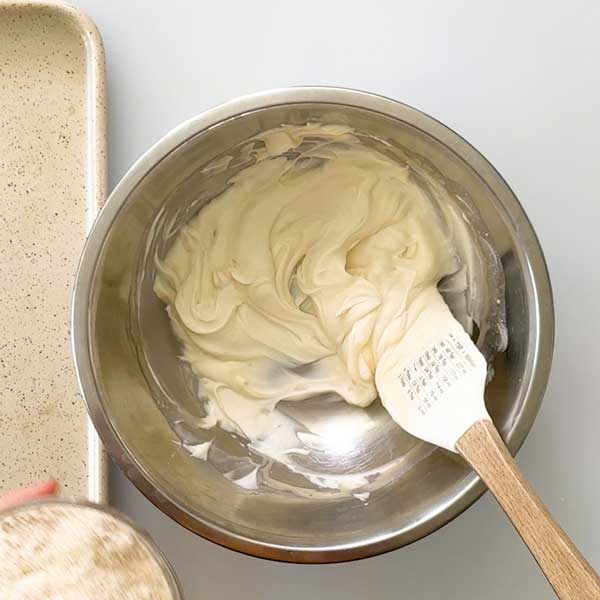
In a medium bowl, combine 2/3 cup Greek yogurt, 1 teaspoon apple cider vinegar, and 1 tablespoon maple syrup (if using). Stir until combined.
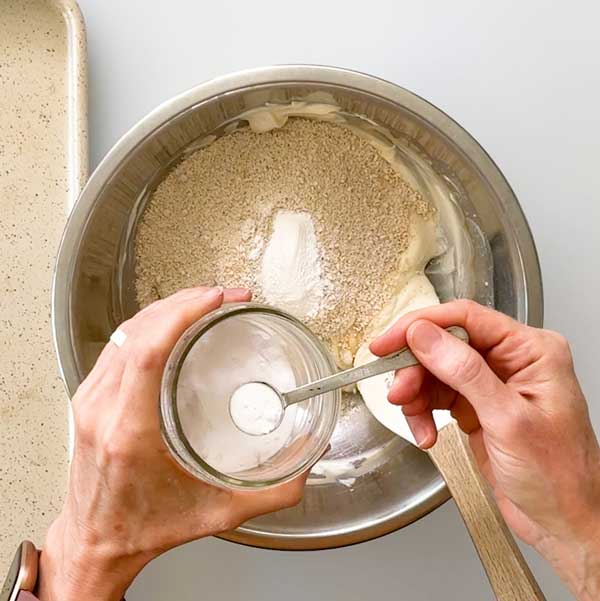
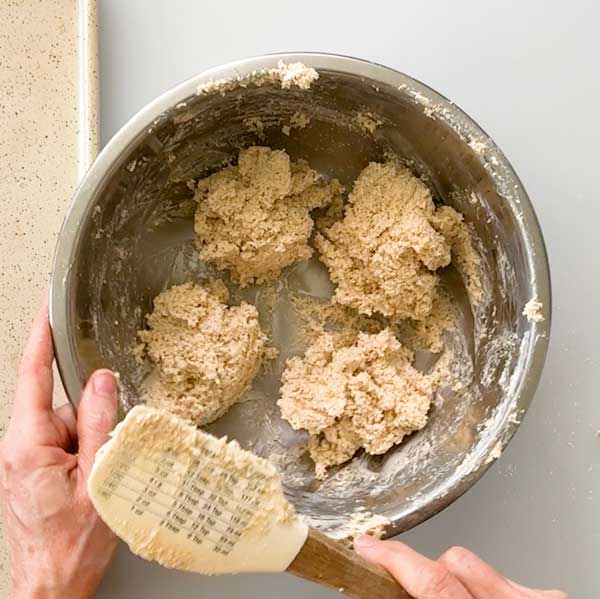
Add the dry ingredients, including 1 cup oat flour, 2 teaspoons baking powder, 1/4 teaspoon baking soda, and 1/4 teaspoon salt. Stir with a sturdy spatula or stand mixer. You should have a slightly sticky soft dough.
Step 2: Shape the Muffins
Sprinkle 1 tablespoon of cornmeal on a plate or cookie sheet. Divide the dough into 4 equal parts. Pour some oil on your hands and shape each into a round disk, about 3/4 inch thick.
NOTE: If you’re using gluten-free flour or all-purpose flour instead of oat flour, do not oil your hands. Use a light dusting of more flour so the dough doesn’t stick.
Lightly press each side of the muffin dough into the cornmeal for that classic English muffin texture. You can swirl them inside a slightly larger cookie cutter for a perfect circle.


Step 4: Cook the Muffins
Place the muffins on a preheated skillet or griddle, cover the pan, and cook for 8-10 minutes on each side, until golden brown and cooked through. Keep an eye on the heat to ensure they don’t burn before cooking through. Allow to cool completely before slicing.


My Expert Recipe Tips
Watch the heat: These cook best over medium-low heat. Too hot and the outside browns before the center sets; too low and they dry out before cooking through.
Use a lid while cooking: Covering the skillet traps steam, which helps the muffins cook evenly and prevents a dense center.
Pay attention to dough texture: The dough should be thick and slightly sticky but not runny. If it’s too dry, add a teaspoon of Greek yogurt at a time; if too wet, sprinkle in a little oat flour.
Let them cool before slicing: Oat flour continues to set as it cools. Cutting too soon can make the center seem gummy, even if they’re fully cooked.
Toast for the best texture: These are good fresh, but slicing and toasting gives the edges a crisp finish and makes them sturdy enough for breakfast sandwiches.
Delicious English Muffin Serving Suggestions
- Cottage Cheese Scrambled Eggs: These muffins pair perfectly with my cottage cheese scrambled eggs for a high-protein breakfast that stays soft and satisfying.
- Homemade Strawberry Jam: Toast the muffins and spread them with my naturally sweetened strawberry jam for a simple, classic option.
- Homemade McMuffins: Use these as the base for my homemade McMuffins—they split cleanly, toast well, and hold up to eggs, cheese, and sausage.
- Butter or Honey: Sometimes simple is best. A warm muffin with butter or honey lets the texture really shine.
- Savory Breakfast Sandwiches: Add eggs, cheese, and bacon or sausage for a sturdy, meal-prep-friendly breakfast.
Frequently Asked Questions
Do you love yeast-free breads? Check out more of my easy and nutritious bread recipes that do not require any yeast:
- Gluten-Free Cinnamon Pretzel Bites (No Yeast)
- Gluten-Free Cottage Cheese French Bread (No Yeast)
- Cheesy Gluten-Free Garlic Protein Bread (No Yeast)
- Oat Cottage Cheese Bread Sandwich Bun Gluten-Free
- Greek Yogurt Flatbread Protein Naan Bread (No Yeast)
- Gluten-Free Breadsticks Easy Olive Garden Copycat
- Easy Gluten-Free Buns Lower Carb with Almond Flour




Oat Flour English Muffins (No Yeast, Gluten-Free)
Gluten-FreeIngredients
- 2/3 cup greek yogurt (160ml)
- 1 teaspoon apple cider vineger
- 1 tablespoon maple syrup (optional)
- 1 cup oat flour (130g) (130g)
- 2 teaspoons baking powder
- 1/2 teaspoon baking soda
- 1/4 teaspoon salt
- 1 tablespoon cornmeal
Instructions
- In a medium bowl, combine 2/3 cup Greek yogurt, 1 teaspoon apple cider vinegar, and 1 tablespoon maple syrup (if using). Stir until combined.Add the dry ingredients, including 1 cup oat flour, 2 teaspoons baking powder, 1/4 teaspoon baking soda, and 1/4 teaspoon salt. Stir with a sturdy spatula or stand mixer. You should have a slightly sticky soft dough.
- Sprinkle 1 tablespoon of cornmeal on a plate or cookie sheet. Divide the dough into 4 equal parts. Pour some oil on your hands and shape each into a round disk, about 3/4 inch thick. NOTE: If you're using gluten-free flour or all-purpose flour instead of oat flour, do not oil your hands. Use a light dusting of more flour so the dough doesn't stick. Lightly press each side of the muffin dough into the cornmeal for that classic English muffin texture.
- Place the muffins on a preheated skillet or griddle, cover the pan, and cook for 8-10 minutes on each side, until golden brown and cooked through. Keep an eye on the heat to ensure they don’t burn before cooking through. Allow to cool completely before slicing.
Video
Notes
Nutrition
Important Disclaimer
This recipe is created by a home cook and not a medical professional. Our ingredient philosophy is reviewed by RDNs, but this specific post is not personalized medical advice. Please consult your healthcare provider for dietary concerns.
Looking for more high-protein breakfast ideas?
Browse all of my high-protein breakfast recipes, including savory breakfasts, baked options, and make-ahead favorites.
Looking for more easy bread recipes without yeast?
Browse all of my no-yeast bread alternatives , including rolls, flatbreads, quick breads, and simple doughs made with ingredients that are easier to work with and quicker to make.


Love how simple and delicious this recipe is! I am celiac and this was a treat. I used the bake function on my airfryer, 325 and 10 minutes each side. Mine came out more like a biscuit but loved the taste. Thank you for a great recipe!
That’s fantastic Laura! I’m glad you were able to enjoy these 🙂
Quick and yummy! I love how thorough you are with this recipe. Cannot wait to make more of your creations!
Thank you Lorraine for the feedback! I’m glad I was able to explain it well for you 🙂
My husband and I love these! We have been looking for an english muffin recipe after some dietary restrictions and this recipe is perfect! We bake them in the oven for 10 min, flip them and bake another 10. Perfect every time! Thank you!!!
Hi Sari, this makes me so happy! That’s a great idea to bake them 🙂 Thank you for sharing!
We love it!!! I didn’t do the cornmeal, but they turned out perfectly. I also was a little short on my oat flour so I subbed almond flour for what I was missing and didn’t have any issues! I doubled the recipe, and used probably about half a cup of almond flour and 1.5 oat flour. Thank you Nicole, you made a birthday boy (and Mom) very happy today!!!!!
Stephanie! Thank you so much for sharing this with me 🙂 And Happiest of birthdays to your son!!!
This worked exactly as written, thanks! I didn’t have cornmeal to dust the muffins so I subbed rice bran and it worked a treat. The clean oaty flavour goes well with both savoury and sweet toppings.
Hi Sandra, I’m so glad you enjoyed this recipe!! That was a great idea to use rice bran instead of corn meal 🙂
Substitute for dairy free? I could use non-dairy yogurt but those are low protein. Guessing the greek yogurt works partly due to protein.
You can use dairy free greek yogurt as long as it is as thick as regular greek yogurt 🙂
These look fantastic 😍
Is there a substitute for the Greek yogurt? Thanks
Hi Jenny, yes! You can use cottage cheese instead. You’ll want to blend it first to remove the curdled texture.
I missed having these for my breakfast, They are great with butter and some jam.
Thank you for the review, Lorna! 🙂
One of the fluffiest English muffins I’ve ever had!! Don’t know how you do it!
Thank you for the review, Jenna!
Great recipe! def gonna use it again
That’s awesome, Tanasha! Thank you for the review 🙂
I’ve heard about using greek yogurt for gluten-free bread but hadn’t tried it yet. These are so easy! Love using oat flour.
Hi Tabitha, I love using greek yogurt, too! Thank you for the review 🙂
These english muffins take less than 30 minutes to make without any yeast or rising! I’m excited for you to try them 🙂